2026 Top SMT Feeder Types Which One Is Best?
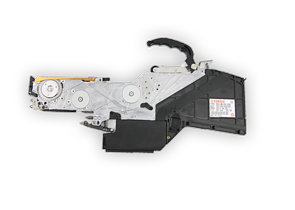
So, you're on the hunt for the best SMT feeder in 2026, huh? Well, honestly, it really comes down to your specific components, your machine platform, and how you schedule production. For instance, tape feeders are great if you're dealing with reels of resistors, capacitors, and other tiny parts – they just roll through. On the other hand, stick feeders are your go-to for components that come in tubes, while tray feeders handle the ones that need their own little pocket space. Some production lines swear by pneumatic feeders, but others prefer electric models with programmable indexing – it's all about what fits your workflow. The thing is, there's no universal winner here. You could have the fanciest setup, but if you pick the wrong feeder, you'll end up with misfeeds, damaged parts, or those annoying pauses you didn't plan for. So yeah, it's a bit of a balancing act. Honestly? It's the little details that matter. They really do. When you're comparing feeders, you really need to look at a few things: pitch range, how the loading method works, indexing accuracy, maintenance needs, and of course, making sure it's actually compatible with your machine. And before you order any feeder part, double-check the exact model of your feeder and machine. Yeah, you might see a FEEDER CABLE or FEEDER HARNESS that seems relevant to a repair, but just having that name doesn't guarantee it'll fit. Same goes for FUJI FEEDER HARNESS, NXT FEEDER CABLE, or NXT FEEDER PART—you absolutely need to confirm the machine series and specs, either by checking reliable docs or talking to a supplier who knows their stuff. You know, the same kind of care goes into picking any SMT feeder part. It's smart to keep spare parts within arm's reach—trust me, that saves a headache later. But here's the thing: no matter how neat your spec sheet is, it can't cover every little hiccup that pops up on the shop floor. Reels might not match up perfectly, labels can be a total mess, and let's be honest, not everyone sets things up the same way. What really matters is which feeder your operators can load without cursing, your technicians can fix without pulling their hair out, and your line can run with minimal drama. Honestly, instead of just looking at the price tag, try a quick test run with the actual parts you use—that tells you way more than any brochure ever will.
Read more »